EN
EN
Quick Links
When selecting the right solar battery storage for your house, you need to determine your energy requirements precisely. Think about how your family uses electricity and the amount of power you generally consume each peak hour. This info will aid you in selecting a battery with enough storage to power your daily usage. Furthermore, opt for batteries with higher energy efficiency ratings to reduce power waste in the charge and discharge process. You might also want to consider the depth of discharge (DoD) of the battery, which is how much stored energy you can use before needing to recharge. Use battery with a deeper DoD for better storage capacity and longer service life.
Another important thing to look out for when it comes to residential solar battery storage is warranty. Make sure that they give you a good warranty for defects and performance over the long term. A strong warranty ensures good peace of mind and financial protection, since if the battery ever goes bad (which they do from time to time), you’ll be covered. Also, try to choose batteries that feature enhanced safety mechanisms – the likes of built-in thermal management systems and short-circuit protection which drastically reduce the chances of accidents, and allow for safe operation in your home. You may also obtain information about “good” state-of-the-art solar battery storage solutions. You can do this by taking into account what your lifestyle, long-term reliability and performance needs are for the best solar battery storage solution that suits you.
Combinations line of residential solar storage batteries is the latest advanced development in battery backup power products; they install easily and work off-grid - there's nothing else like them on the market. Whether you want a simple battery to store the solar energy your panels are creating or need backup power in case of an outage, Combine designs and sells storage systems that fit to meet your specific needs. In the spirit of customer service, Combine supports complete after-sales services to ensure that homeowners have continuous power supply and peace of mind. For high-quality home battery storage for solar, place your trust in Combine: the smart solution for sustainable energy at home.
Despite all the advantages, however, home solar battery storage systems suffer from some common problems that can impact their performance and service life. Among them, capacity fade which is the loss of battery capability caused by improper usage, high temperature and inadequate maintenance is one of the most frequent reason. To prevent this, home owners must make sure their batteries are properly cared for by following manufacturer instructions for battery upkeep, refraining from overcharging or deep discharging the battery, and monitoring their batteries performance consistently to watch for any decrease in capacity. You can also have a BMS (Battery Management System) added for better use of the stored energy and longer battery life.
One other widespread problem with household solar battery storage is voltage imbalance: If different cells are fully charged within a pack of batteries, it can cause an issue. This imbalance may cause reduced energy storage, inefficient charging and even lead to early battery failure. To overcome this issue, home owners needs to make sure that the battery pack get balance accordingly with specific balancing equipment or software. They can be checked for cell voltages, balanced charge status and harsh temperature effects in order to maintain even performance and prolong their lifespan. Ahead of issues with routine maintenance and care, homeowners can help ensure the longevity of their residential solar battery storage system by taking action now to do regular check ups so everything is running clean and smoothly for years to come.
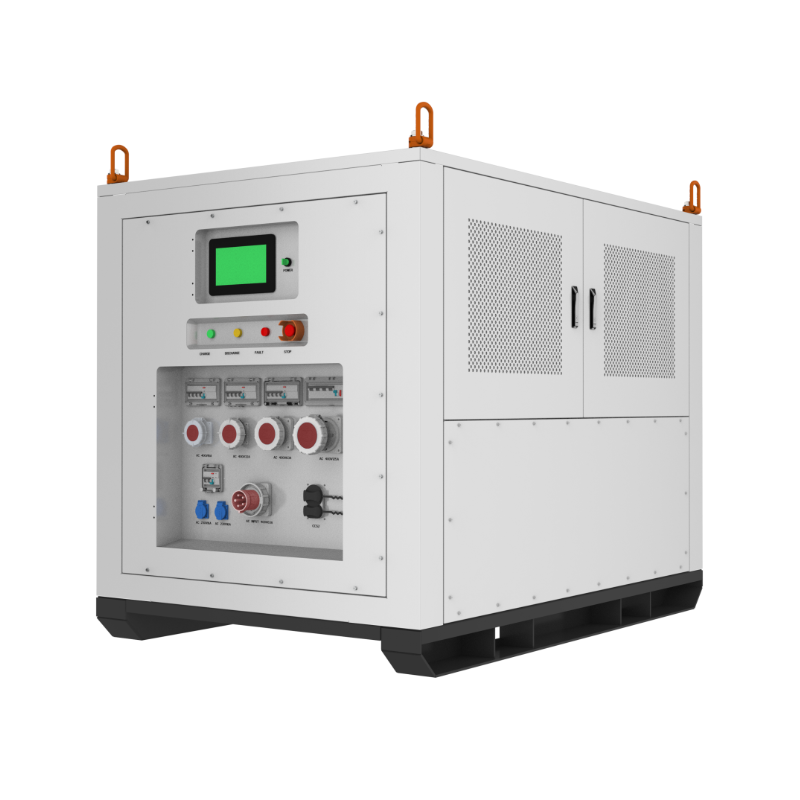
A second popular question on residential solar battery storage is “Can batteries be installed indoors or outdoors?” Some batteries are assembled indoors, and some of the batteries can be installed outdoors with the ability to survive severe environmental conditions. Some considerations homeowners may want to think about in the selection of the location for their solar battery storage system include space availability, temperature fluctuation and ventilation needs. Customers might ask how cost-effective solar battery storage is versus grid electricity, the type of savings which they could make in energy bills and how they are doing their part to reduce carbon emissions by storing renewable energy. armed with some insights into the hot topics on residential solar battery storage questions, homeowners can better decide if and when to adopt this sustainable technology for their home.
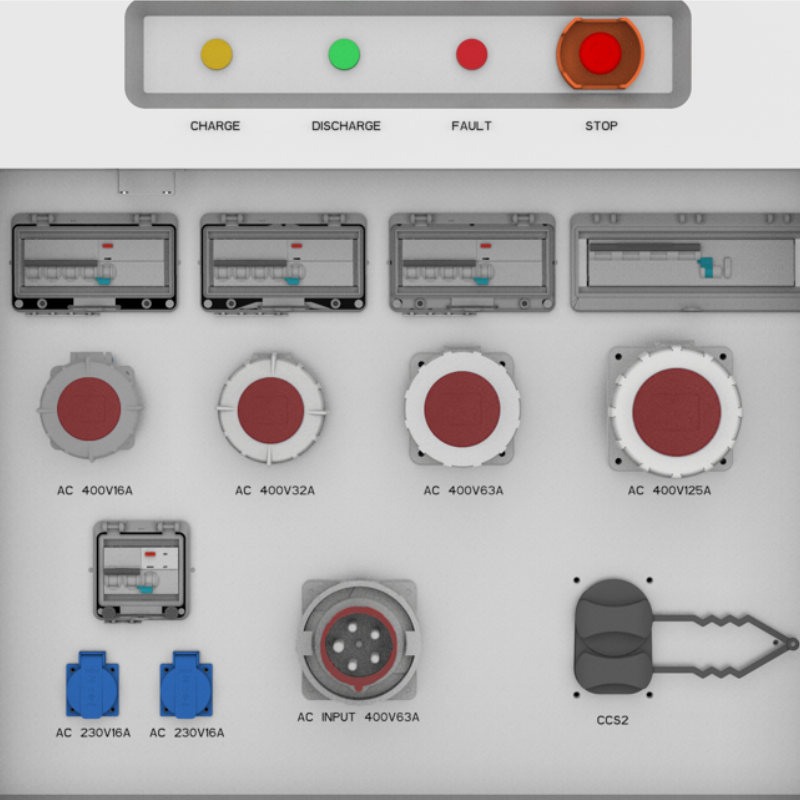
If you are looking for a home solar battery storage system, you must compare some of the most important aspects that can make your system more efficient, reliable and safe. Energy density is one important value to keep an eye out for, and it's almost always better to have high energy density than not. Having a higher energy density lets the battery store more juice in less space, which boils down to getting the most bang for your buck out of whatever device you're using. Also look for batteries with a high fast charging and discharging rates, not because you likely have everyone beat, but because the faster it can pump energy in or out when you want it to the better. Sophisticated battery management systems (BMS) are essential to get maximum utilisation of the energy storage, balancing of cell voltages and ensuring no overcharging or overheating.
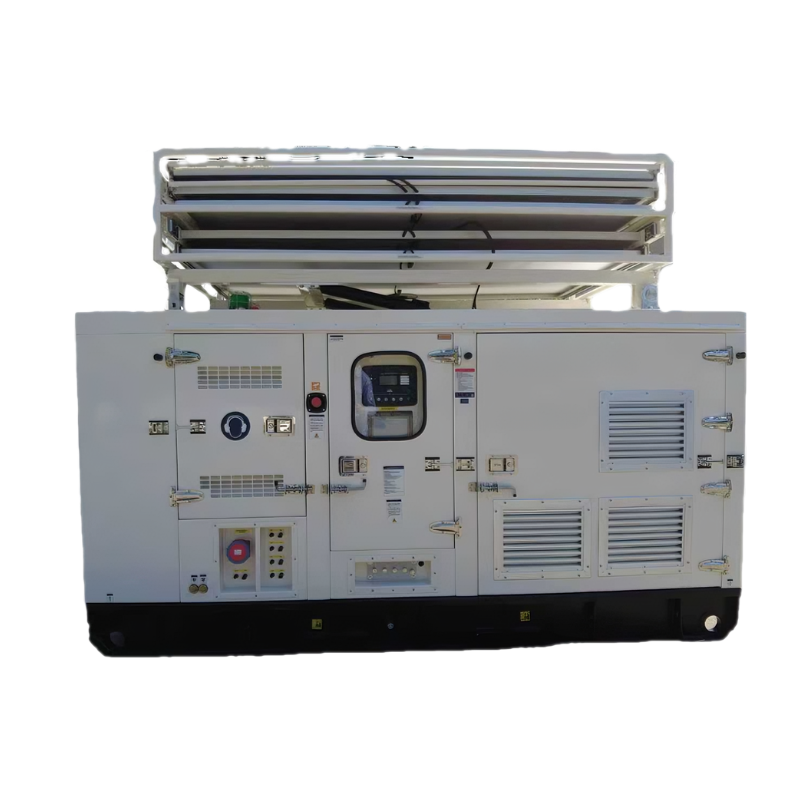
Anhui Combine New Energy Technology Co., Ltd was founded in 2014and has over 10 years of experience in energy storage system production. With a land area exceeding 5,000 square meters and more than 100 partners, Our commercial and industrial energy storage solutions range from 20 kWh to 10+ MWh and delivered to customers in over 20 countries. Combine’s energy storage systems cater to a wide range of industrial and commercial scenarios such as Agriculture, Construction Site, Emergency Power Supply, Events and Exhibitions, Diesel-Saving solution and off-grid and on-grid solutions.
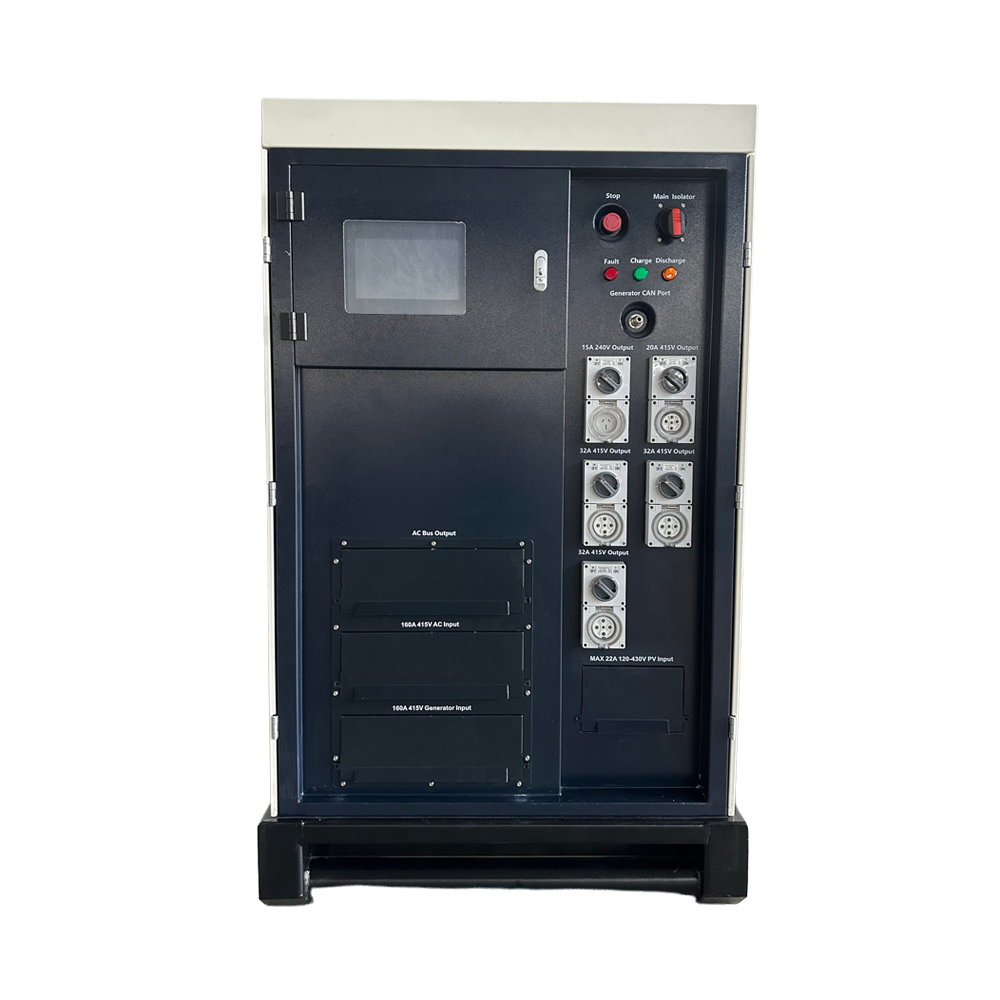
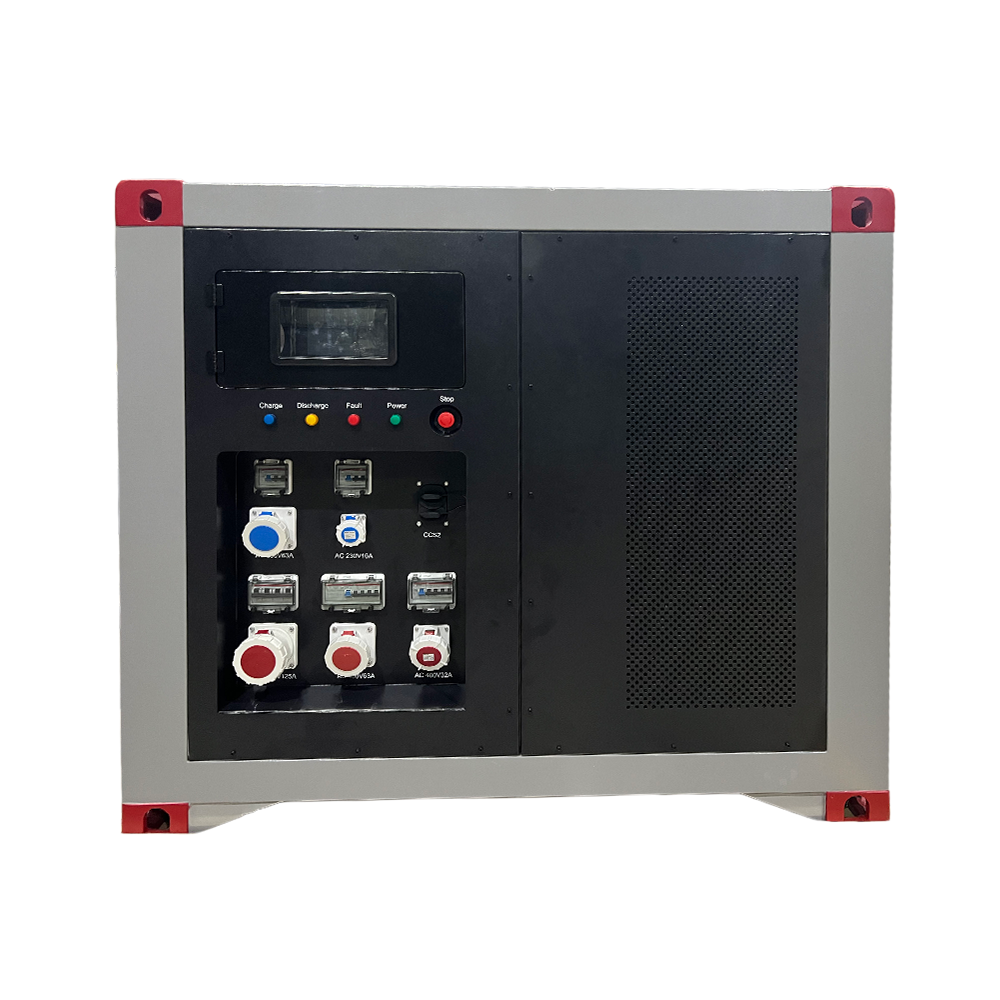
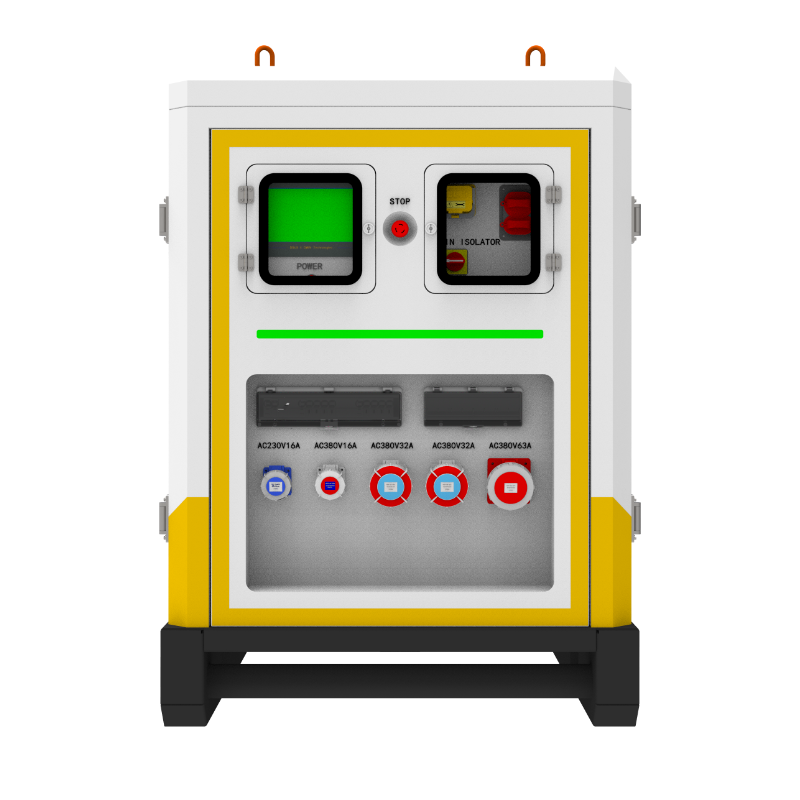
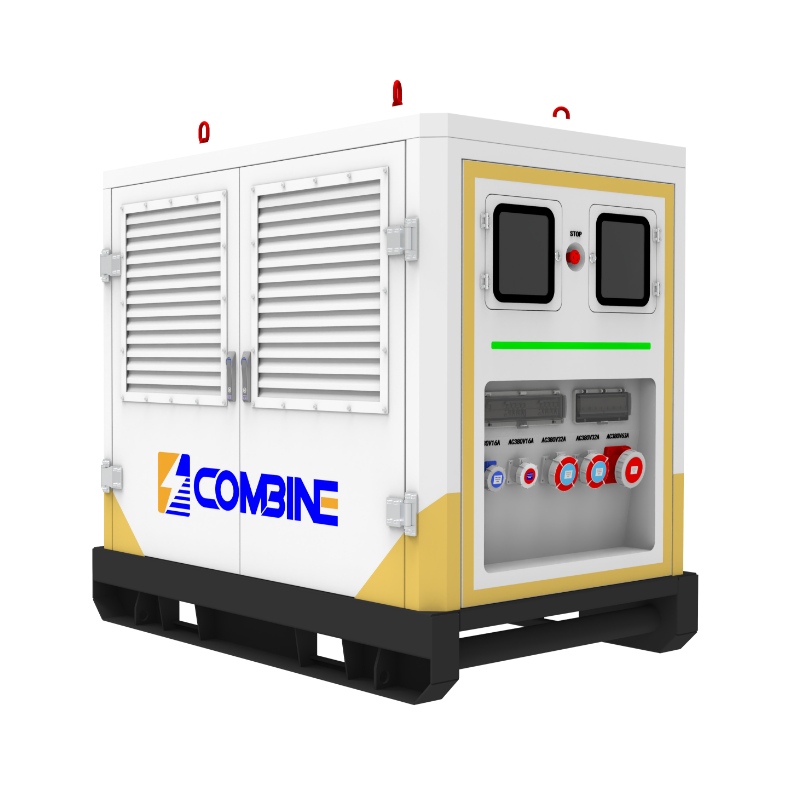
Energy Storage System, a revolutionary product designed to cater to the diverse energy storage needs of residential, commercial, and industrial applications. Combining versatility, high capacity, and advanced technology, could realize uninterrupted energy supply,long battery life,minimizes energy loss,advanced energy management softwarereal-time monitoring, robust safety mechanisms and durable ,waterproof and dustproof multifunctional application.
We take pride in offering top-tier after-sales service. Whether you require technical assistance, maintenance guidance, or have any concerns, our dedicated support team is readily available to address your needs promptly and effectively.Meanwhile,we offer flexible customization services tailored to meet the specific needs and preferences of our clients. Whether it's adapting existing solutions or developing entirely new ones, our team is committed to delivering customized solution that perfectly align with our clients' objectives.
Achieve true energy independence with a system that delivers reliable power during blackouts or peak demand, ensuring uninterrupted operations. Lower your energy costs by storing energy during off-peak hours when rates are lower, enabling smarter energy consumption for businesses and homeowners alike. Maximize your renewable energy use by storing surplus power generated by solar panels or wind turbines, making clean energy available whenever it's needed, day or night. With our system, you can cut costs, stay powered, and contribute to a greener future.