EN
EN
Quick Links
Energy storage is storing energy for later, somewhat like savings in a piggy bank. Businesses can save energy when there is excess, like on sunny days when solar panels generate more energy than they need, and utilize that saved energy when it is in high demand, such as during peak hours or when energy prices are elevated. That way, they don’t have to rely on expensive energy sources at all times, and can save money in the long run.
For instance, compressed air energy storage system works by compressing air and storing it for use in underground caves or caverns. Then, when energy is needed, the compressed air is released to spin a turbine and generate electricity. Such a system is applied when the energy is needed in large quantity and it is supposed to be stored for long period of time since it gives assurance to the business when the power is need the most.
Industrial energy storage offers arguably the biggest upside of saving companies money. Businesses can save money by storing energy when it’s cheap and feeding it back directly to themselves at times of high demand (the business avoids paying more for the energy at a higher cost). This enables them to lower their costs and boost their profit margins.
Energy storage is something that can also make businesses more reliable. It serves as a backup power supply whenever you have an electric interruption or power failure. This is more important for sectors that require electricity for their business as power outages could cause serious issues and damage. Having a backup power source can also help to maintain business operations and avoid expensive downtimes.
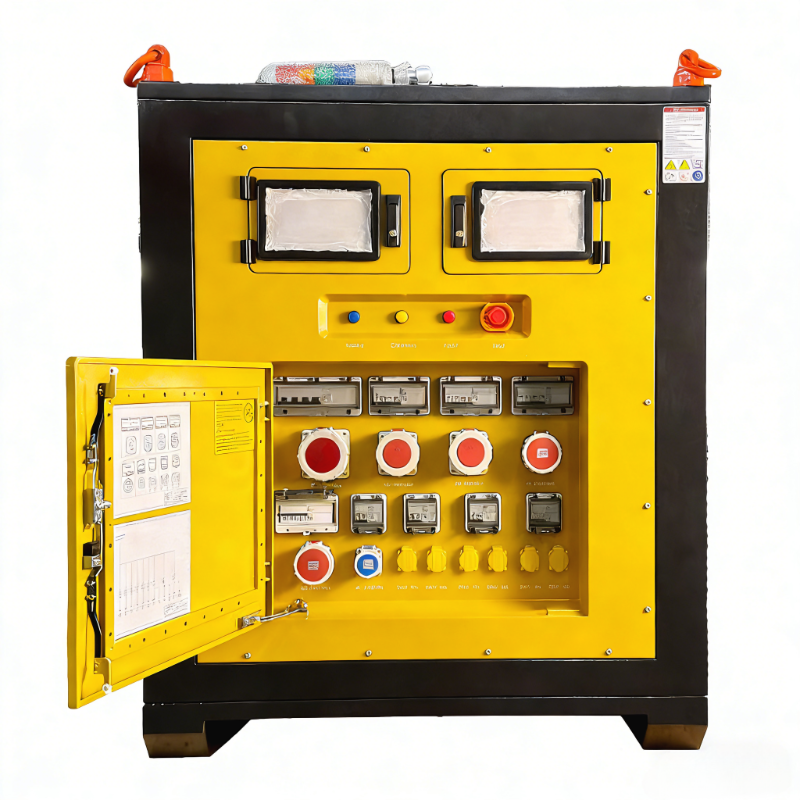
For instance, industrial power storage provides backup power during outages. This feature ensures that organizations can avoid expensive downtime and continue to operate even if there is a power outage. For this reason, many industries need to be able to stay functional in the absence of power generation, in order to avoid the potential loss of revenue or productivity.
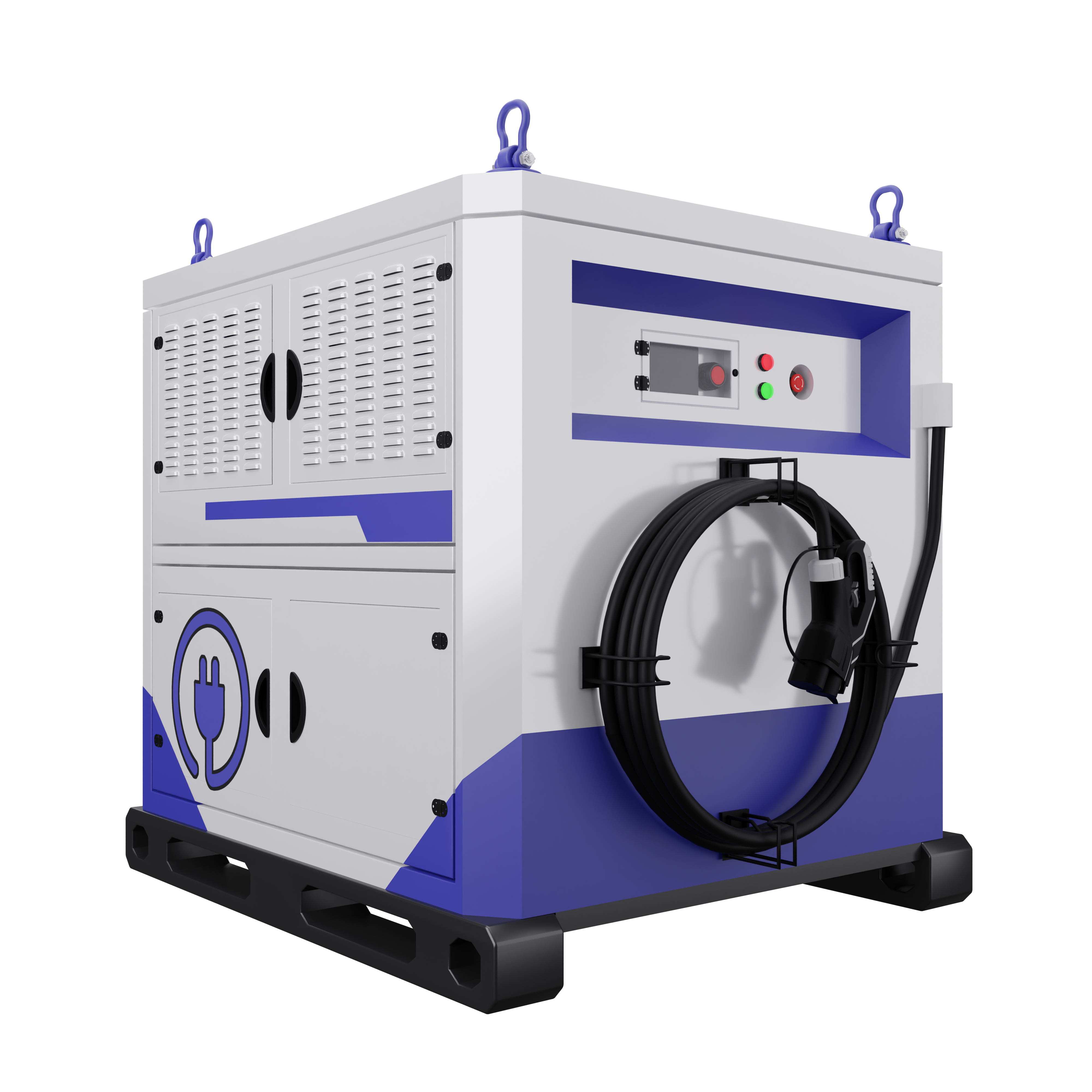
There have been many major advancements in energy storage technology in the last few years. Batteries, especially, have exploded in efficiency and price. For instance, lithium-ion batteries have gained widespread adoption for industrial energy storage due to their high energy density, allowing them to store significant amounts of energy in a compact form factor, along with long life cycles, indicating extended service life before replacement.
We have also seen advancements made with other energy storage systems along side battery technology. Compressed air energy storage systems have become more efficient, able to store and release energy more effectively. We no longer even need batteries, as flywheel systems have evolved, and become even more reliable and capable of offering up quick torques at the request of an experienced or kiddy driver.
We take pride in offering top-tier after-sales service. Whether you require technical assistance, maintenance guidance, or have any concerns, our dedicated support team is readily available to address your needs promptly and effectively.Meanwhile,we offer flexible customization services tailored to meet the specific needs and preferences of our clients. Whether it's adapting existing solutions or developing entirely new ones, our team is committed to delivering customized solution that perfectly align with our clients' objectives.
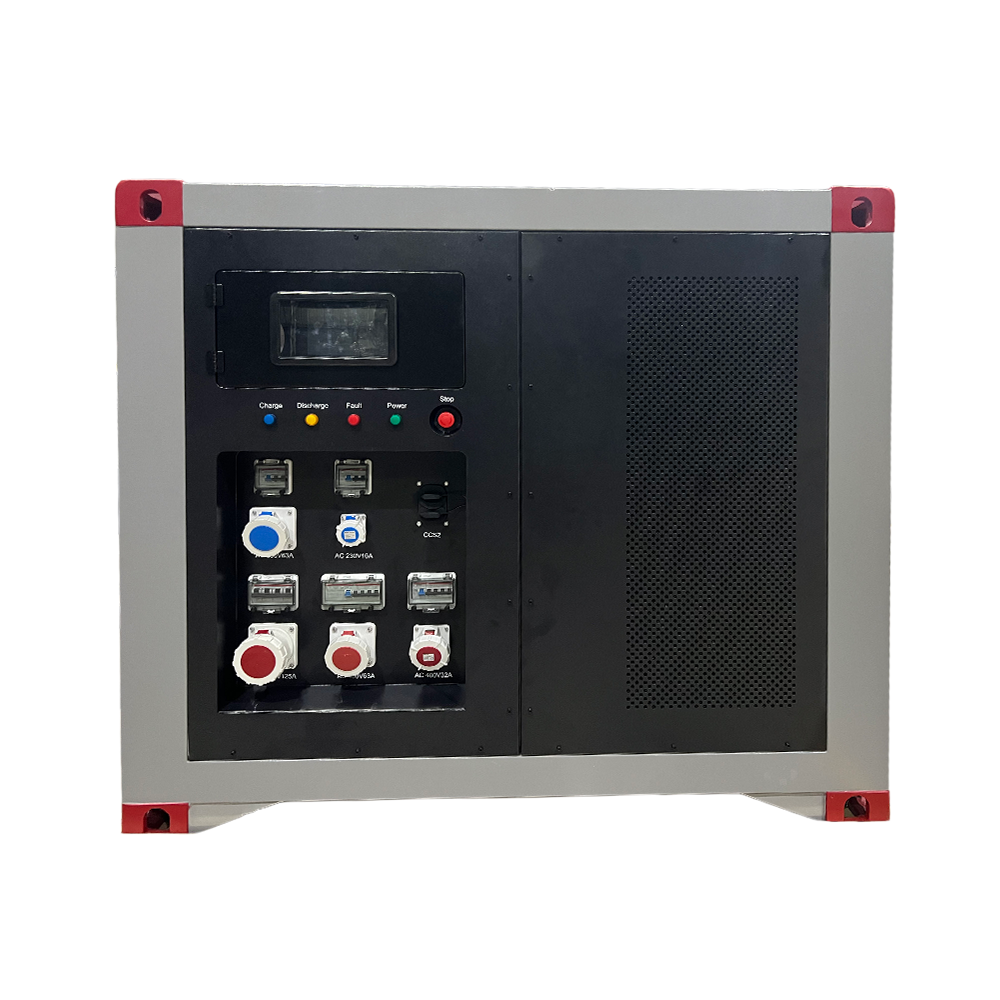
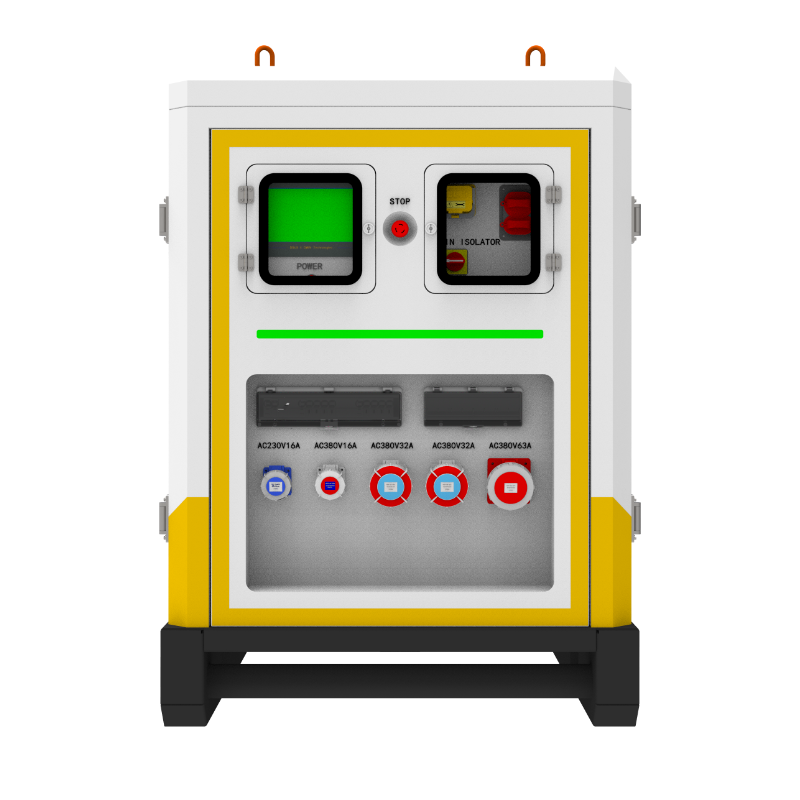
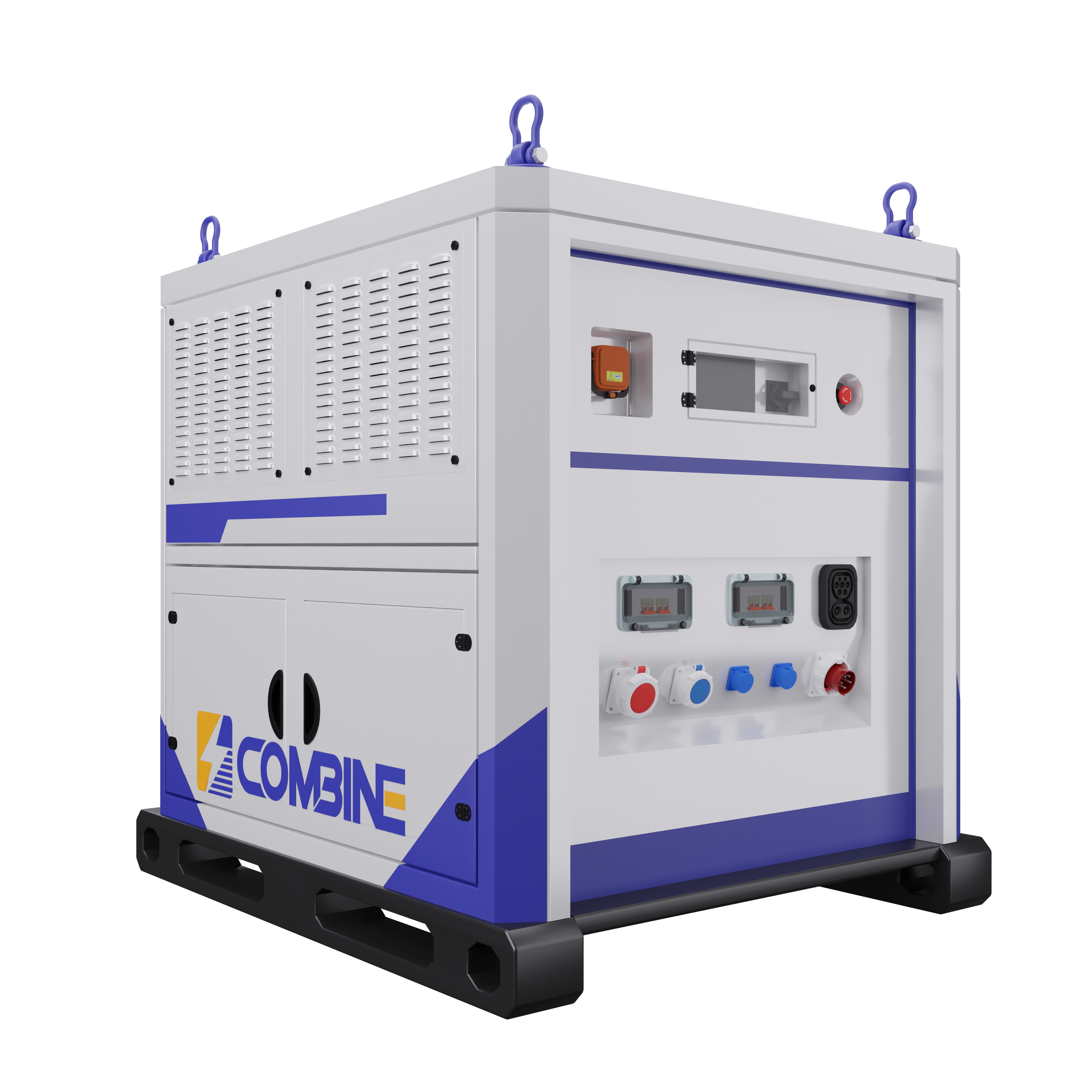
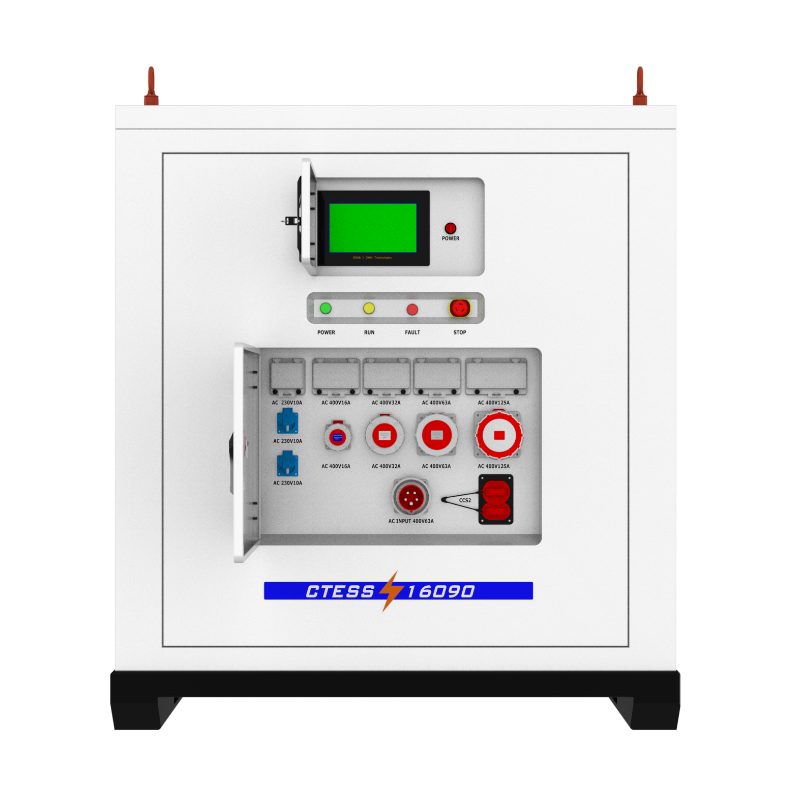
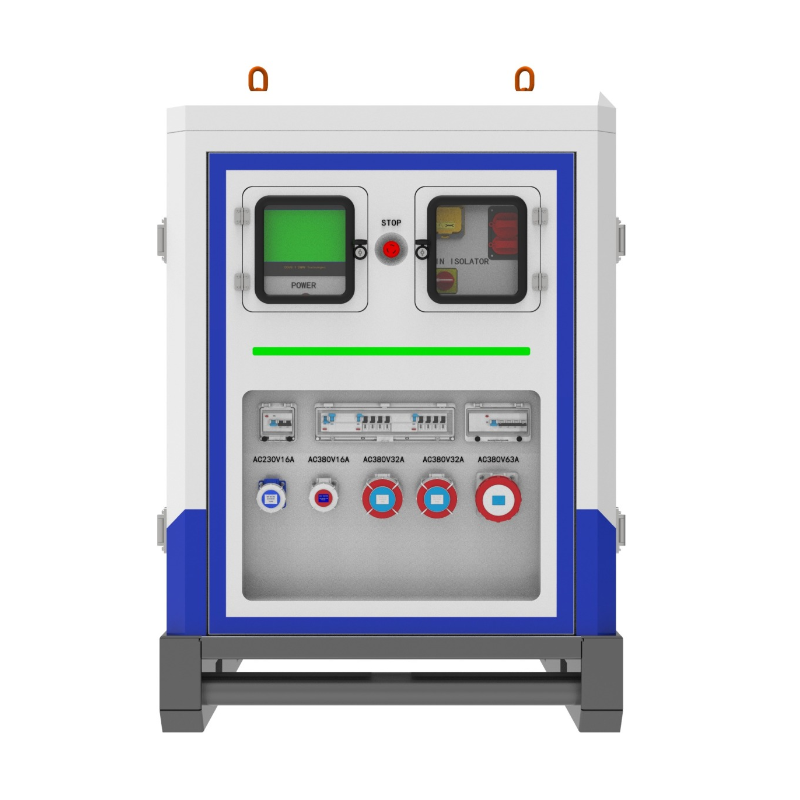
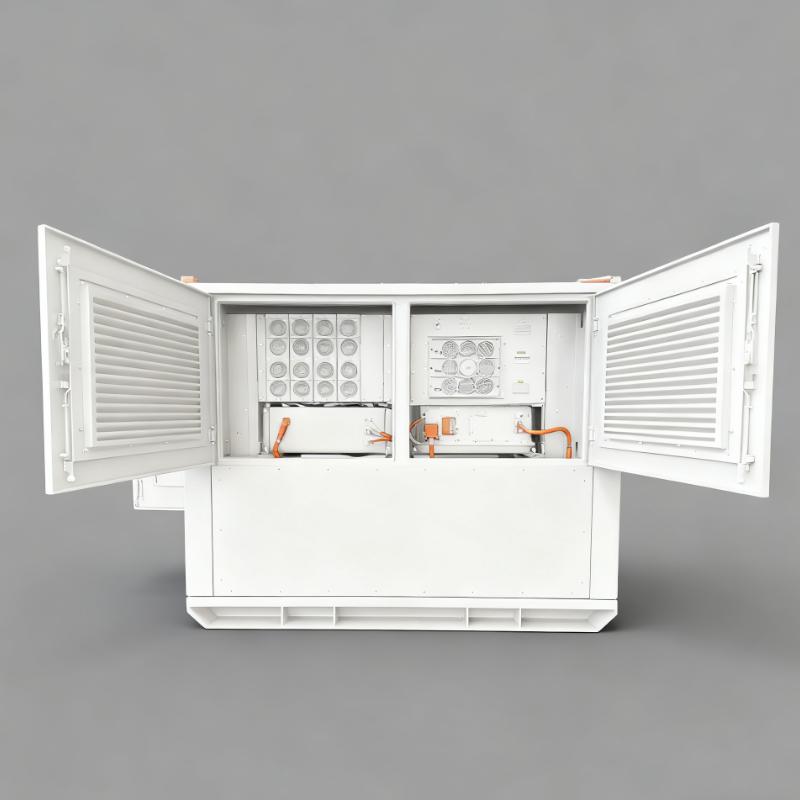
Energy Storage System, a revolutionary product designed to cater to the diverse energy storage needs of residential, commercial, and industrial applications. Combining versatility, high capacity, and advanced technology, could realize uninterrupted energy supply,long battery life,minimizes energy loss,advanced energy management softwarereal-time monitoring, robust safety mechanisms and durable ,waterproof and dustproof multifunctional application.
Achieve true energy independence with a system that delivers reliable power during blackouts or peak demand, ensuring uninterrupted operations. Lower your energy costs by storing energy during off-peak hours when rates are lower, enabling smarter energy consumption for businesses and homeowners alike. Maximize your renewable energy use by storing surplus power generated by solar panels or wind turbines, making clean energy available whenever it's needed, day or night. With our system, you can cut costs, stay powered, and contribute to a greener future.
Anhui Combine New Energy Technology Co., Ltd was founded in 2014and has over 10 years of experience in energy storage system production. With a land area exceeding 5,000 square meters and more than 100 partners, Our commercial and industrial energy storage solutions range from 20 kWh to 10+ MWh and delivered to customers in over 20 countries. Combine’s energy storage systems cater to a wide range of industrial and commercial scenarios such as Agriculture, Construction Site, Emergency Power Supply, Events and Exhibitions, Diesel-Saving solution and off-grid and on-grid solutions.