
 EN
EN

From Jobsite Power to Mobile Charging: One System, More Possibilities
Mobile energy storage is not limited to construction sites.
Near a DCB charging station in the Netherlands, our mobile energy storage system took on a different role — providing mobile power for a heavy-duty electric vehicle.
When available charging capacity was temporarily limited, the system was brought to the site and used to provide additional charging support.
The charging point doesn’t always have to stay in one place. The power can move to where it is needed.
More Than Jobsite Power
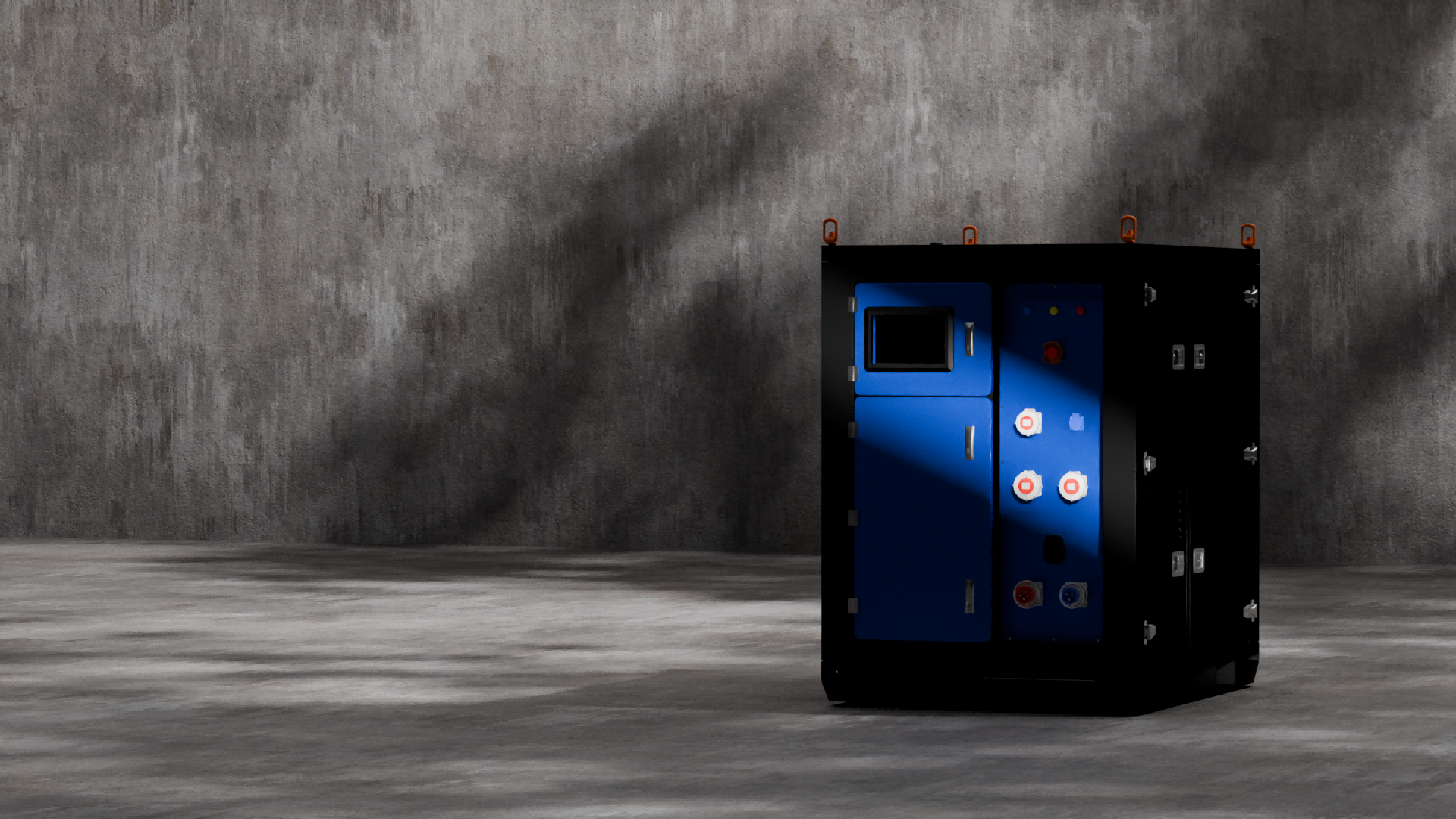
On a construction site, a mobile energy storage system can power electric excavators, tools, lighting and other equipment.
With DC charging capability, the same system can also provide energy for electric trucks and other heavy-duty vehicles.
At the same time, multiple AC industrial outputs allow it to supply conventional electrical loads.
One system can therefore take on different tasks:
charging electric equipment, supporting vehicle charging, and powering site loads.
It is more than a mobile battery. It is a mobile power hub that can adapt to different energy needs.
Making Fixed and Mobile Infrastructure Work Together
Fixed charging stations are ideal for stable, long-term charging demand. Mobile energy storage adds flexibility where fixed infrastructure cannot cover every situation.
When grid capacity is limited, charging capacity is temporarily unavailable, or a project needs power to be deployed quickly, mobile storage can provide an additional layer of support.
We see the future not as mobile storage replacing fixed charging infrastructure, but as the two working together.
Fixed infrastructure provides the backbone. Mobile energy storage brings power to where it is needed.
That is how we see multifunctional mobile energy storage:
More than energy storage. A mobile power hub.