EN
EN
Quick Links
When it comes to something like the battery, it’s very important to ensure that it’s safe and works well. That's why UN38. 3 is such a big deal for lithium-ion batteries. But what, exactly, is UN38. 3 certified?
UN38. 3 certification is a collection of regulations that aims to ensure that lithium-ion batteries are safe and reliable. This certification would be crucial for battery-powered devices — such as laptops, smartphones and tablets. Without such certification, there is a greater risk of batteries breaking or even catching fire, he said.
UN38. 3 certification matters is that it helps people to trust that the batteries they use are safe. And as we come to have more and more electronics in our lives, having batteries that can live up to these stringent standards becomes increasingly important. Using UN38. 3 certified batteries can help keep us safe and ensure our devices run well.
UN38. 3 certification helps ensure batteries are safe and reliable by having them undergo numerous tests. These tests are done to see if the batteries can survive such things as heat, shaking and shorting. Those batteries that survive these tests are considered to be safe for use in the electronic devices. This certification helps reassure people that their batteries have been thoroughly tested.
When choosing batteries for your devices, you need to ensure that you get those that are UN38. 3 certified. These are high quality and have been tested to reach safety and reliability requirements. By choosing UN38. 3 qualified battery, you can make sure your equipment will be safe and work well. Always check for the UN38. 3 certification logo affixed to the battery or its package to ensure you’re picking up a quality product.
The testing process for UN38. 3 certification is highly comprehensive. These are tests made to see if the batteries can tolerate certain conditions, without catastrophically failing. Some of the tests, he said, involve tapping the batteries in very hot or cold conditions, shaking them and observing how they respond when they experience a short circuit. If batteries pass these tests, that’s a good indication that they are safe and reliable for electronic devices.
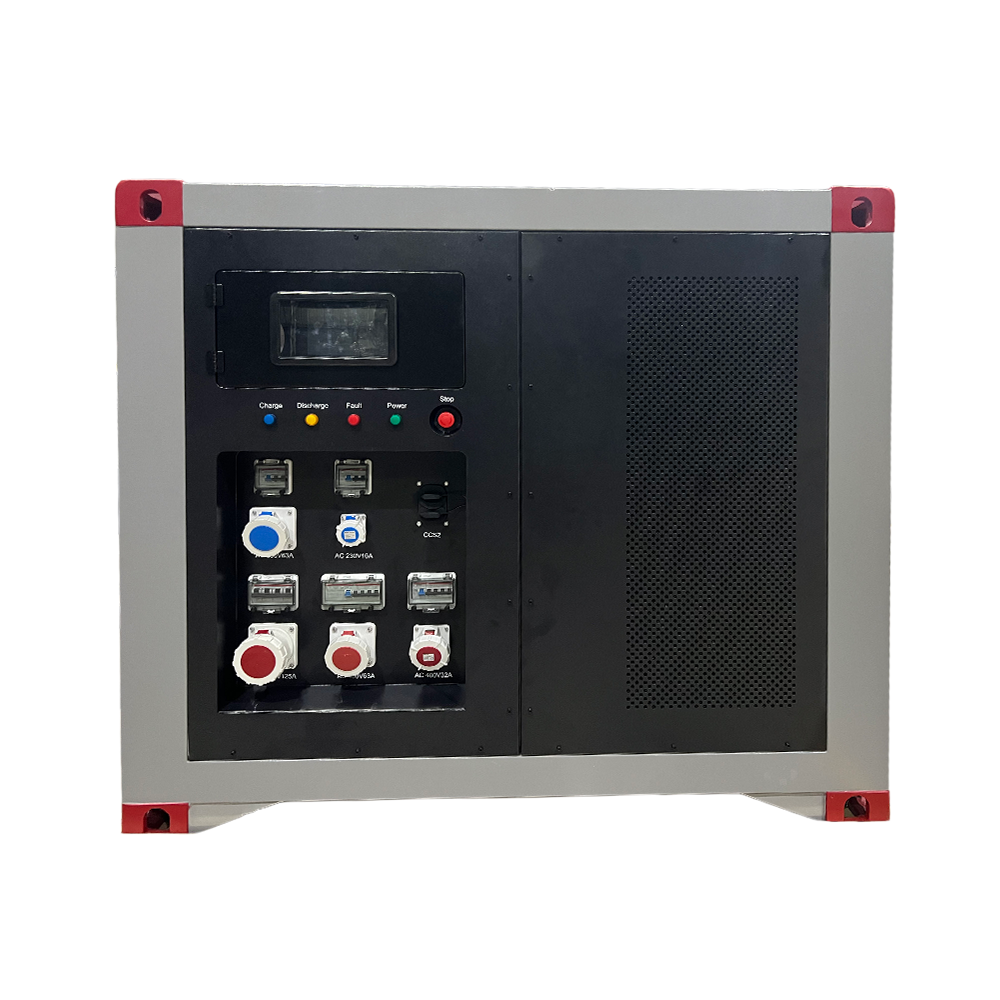
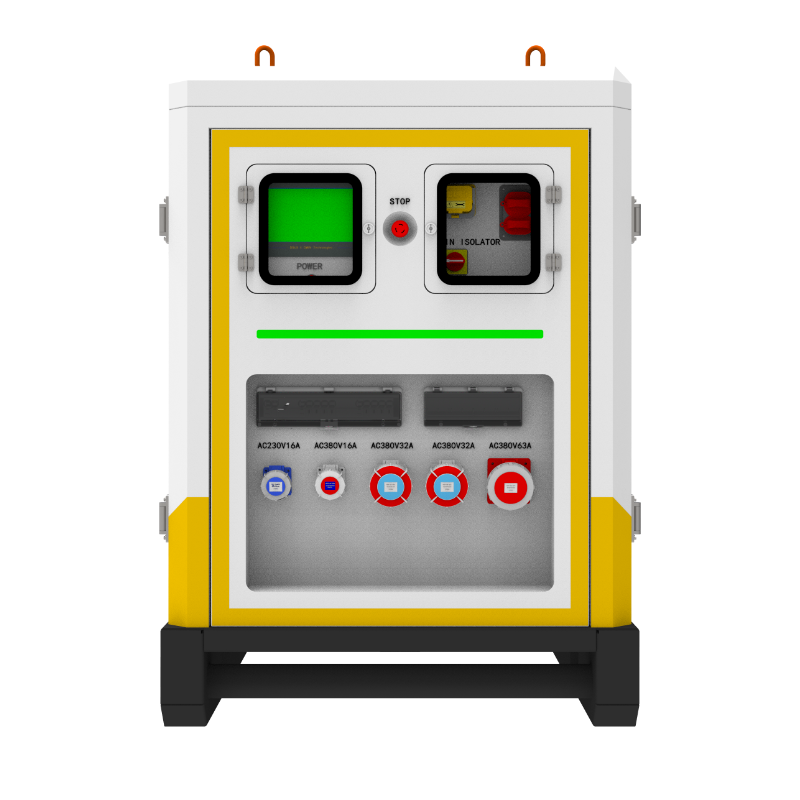
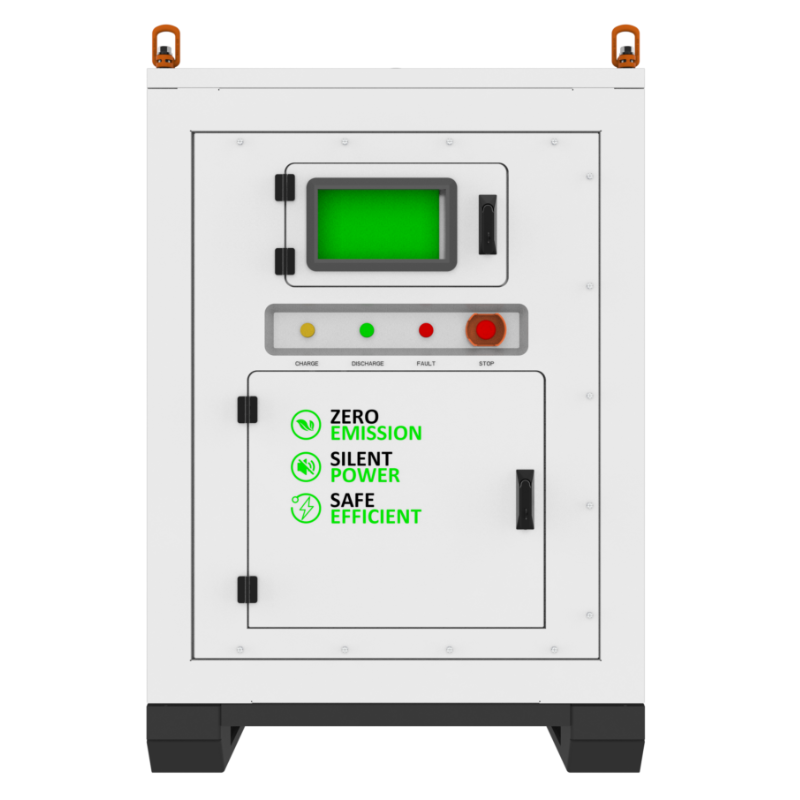
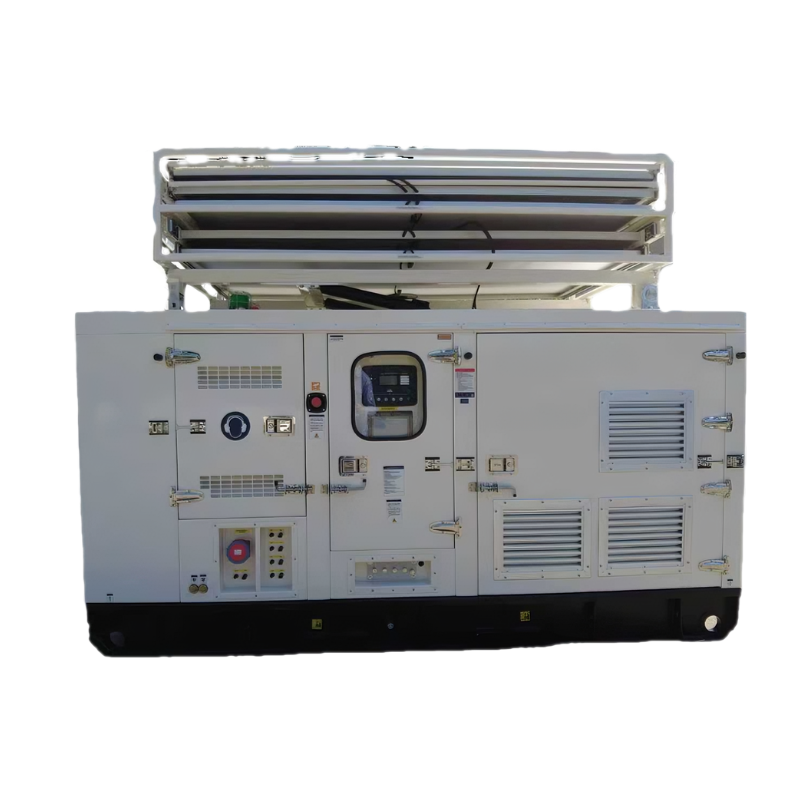
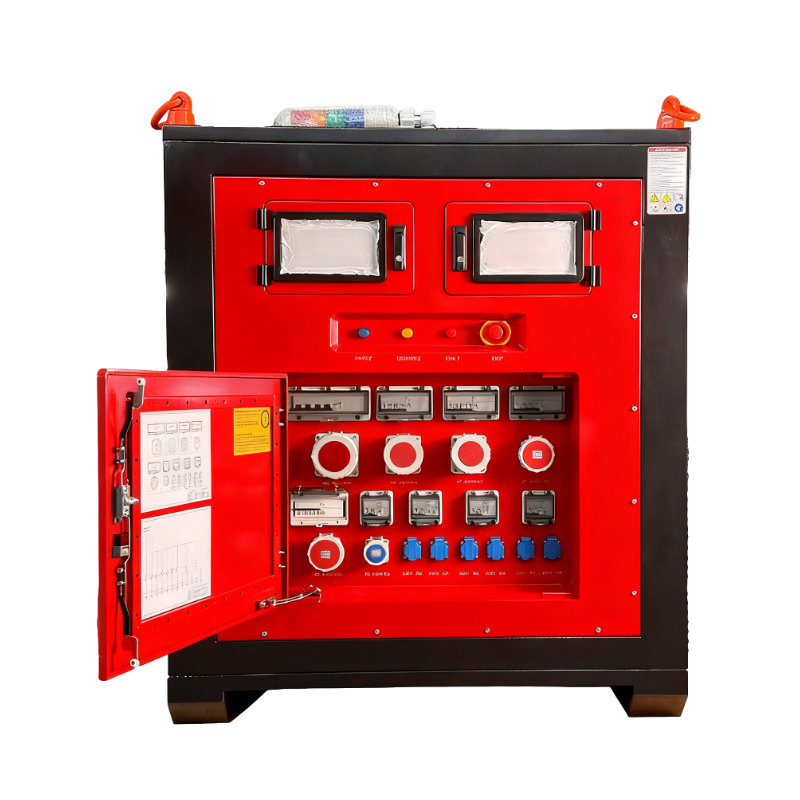
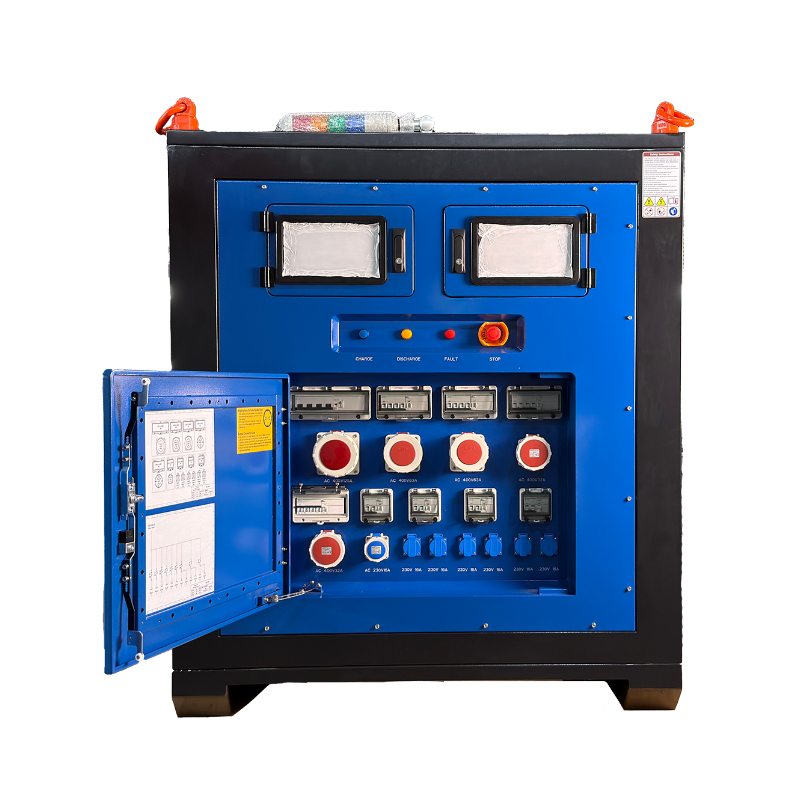
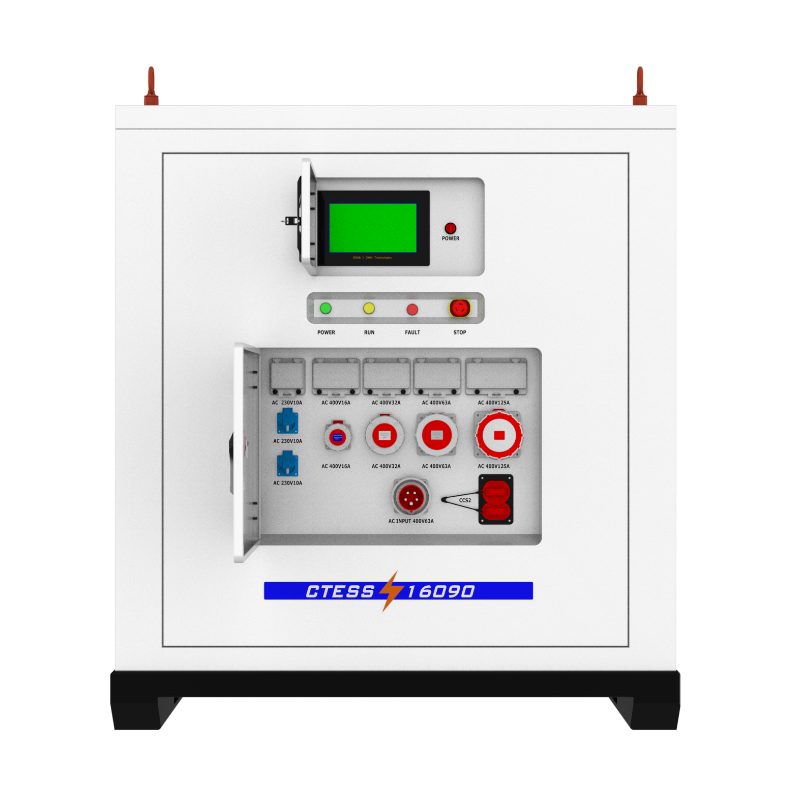
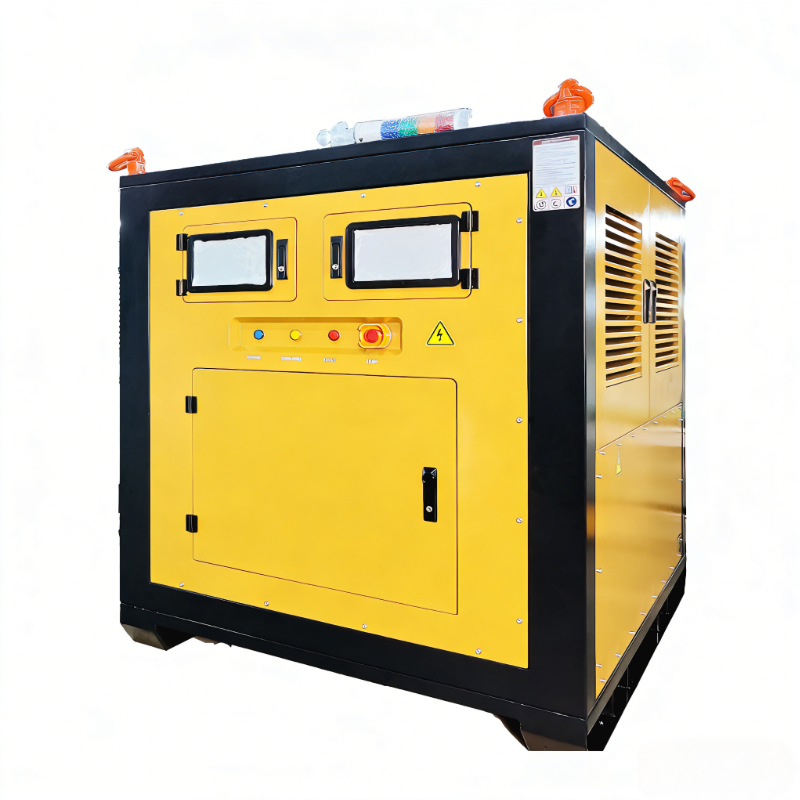
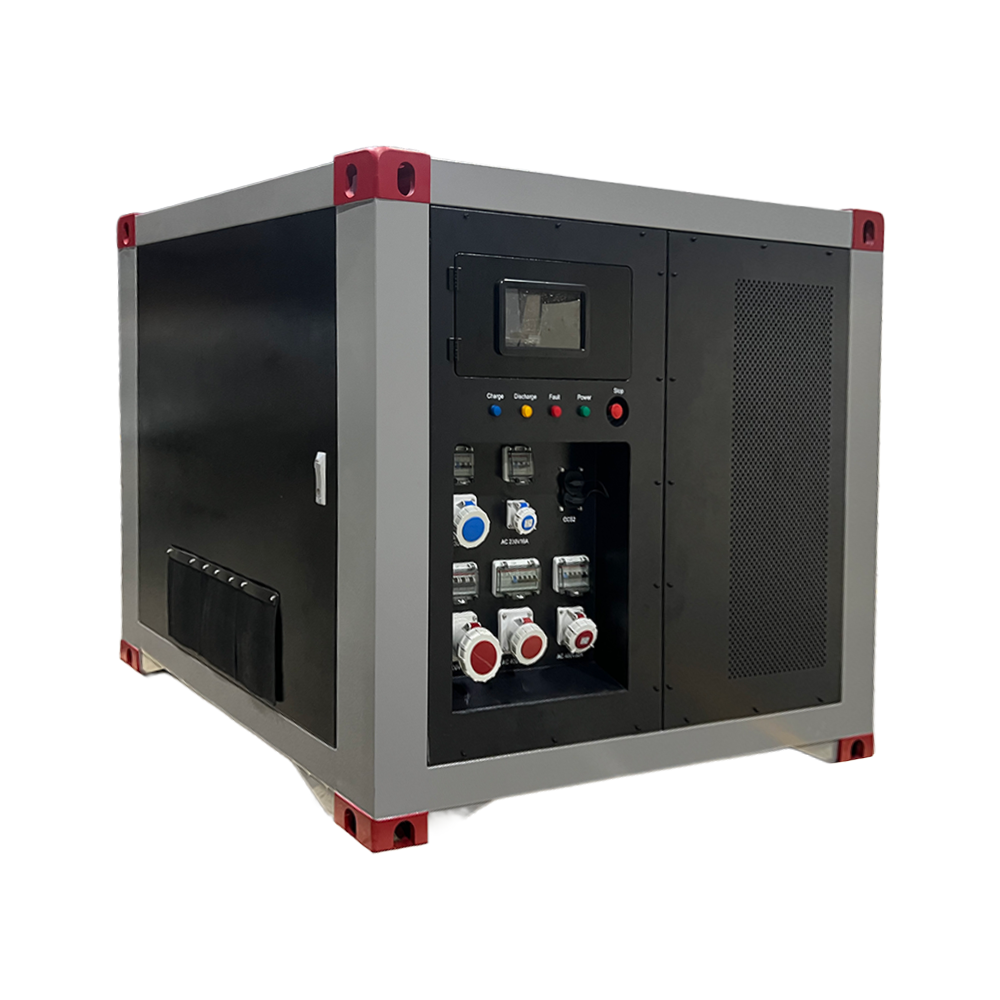
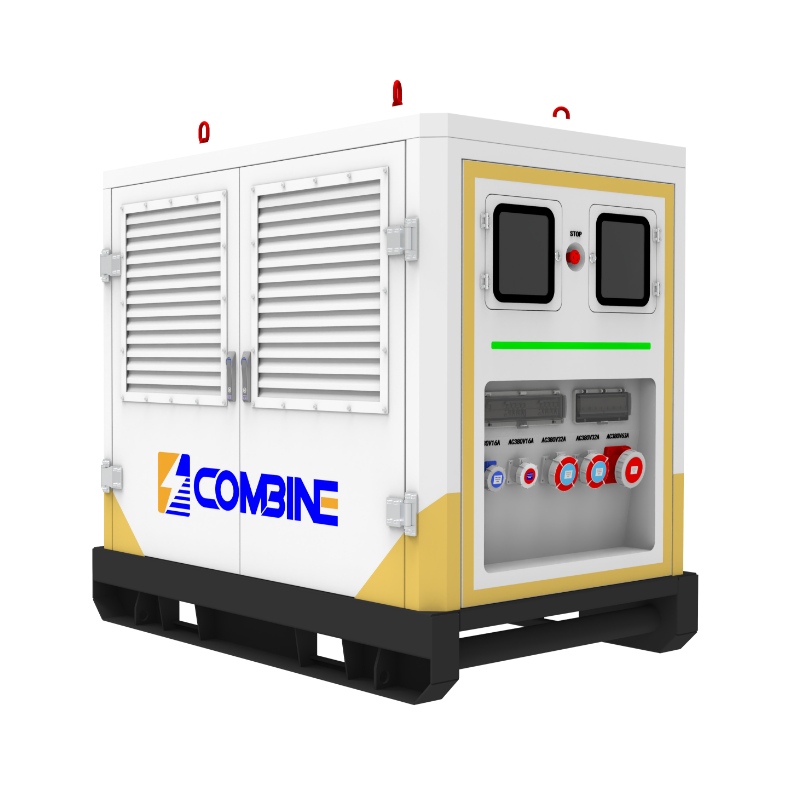
Energy Storage System, a revolutionary product designed to cater to the diverse energy storage needs of residential, commercial, and industrial applications. Combining versatility, high capacity, and advanced technology, could realize uninterrupted energy supply,long battery life,minimizes energy loss,advanced energy management softwarereal-time monitoring, robust safety mechanisms and durable ,waterproof and dustproof multifunctional application.
Anhui Combine New Energy Technology Co., Ltd was founded in 2014and has over 10 years of experience in energy storage system production. With a land area exceeding 5,000 square meters and more than 100 partners, Our commercial and industrial energy storage solutions range from 20 kWh to 10+ MWh and delivered to customers in over 20 countries. Combine’s energy storage systems cater to a wide range of industrial and commercial scenarios such as Agriculture, Construction Site, Emergency Power Supply, Events and Exhibitions, Diesel-Saving solution and off-grid and on-grid solutions.
Achieve true energy independence with a system that delivers reliable power during blackouts or peak demand, ensuring uninterrupted operations. Lower your energy costs by storing energy during off-peak hours when rates are lower, enabling smarter energy consumption for businesses and homeowners alike. Maximize your renewable energy use by storing surplus power generated by solar panels or wind turbines, making clean energy available whenever it's needed, day or night. With our system, you can cut costs, stay powered, and contribute to a greener future.
We take pride in offering top-tier after-sales service. Whether you require technical assistance, maintenance guidance, or have any concerns, our dedicated support team is readily available to address your needs promptly and effectively.Meanwhile,we offer flexible customization services tailored to meet the specific needs and preferences of our clients. Whether it's adapting existing solutions or developing entirely new ones, our team is committed to delivering customized solution that perfectly align with our clients' objectives.